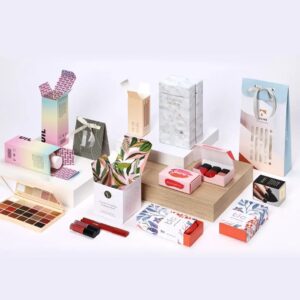
Explained: Kraft, Cardboard, Corrugated & Rigid
Think about the last package you opened.
Maybe it arrived on your doorstep from an online order. You pick it up, feel the weight of the box, and open it carefully to see what’s inside.
That moment before the product appears, when the lid lifts or the tray slides open is surprisingly powerful. Before customers even see the product, they’ve already formed an impression based on the packaging.
That’s why the choice of packaging materials matters more than many brands realize. The material affects how safe the product feels during shipping, how premium the packaging looks in a retail store, and how memorable the unboxing experience becomes.
Some materials are designed for durability and long-distance shipping. Others focus on retail presentation or sustainability.
Most modern product packaging falls into four main categories:
- Kraft packaging
- Cardboard packaging
- Corrugated packaging
- Rigid packaging
Understanding how each material works can help brands choose packaging that protects products while also strengthening their brand identity.
What Packaging Actually Means in Printing
Before diving into materials, it’s helpful to understand what the term packaging means in the printing industry.
In offset printing and commercial printing, packaging refers to printed materials produced on different substrates used to protect or present a product.
That means packaging is not limited to boxes alone. It can include:
- printed cartons
- labels
- paper wraps
- corrugated shipping boxes
- rigid presentation boxes
Essentially, when printing is done on materials used to contain or present products, it falls under the packaging category.
Because of this, the more accurate term often used in the printing industry is custom printed packaging, rather than simply “custom packaging.” The printing process—whether offset, digital, or flexographic—is what creates the branding, colors, and visual identity on the packaging material.
Understanding Packaging Material Thickness (GSM Basics)
One of the most important technical aspects of packaging materials is GSM, which stands for grams per square meter.
GSM indicates the thickness and strength of the paper or board used for packaging. Different materials fall into different GSM ranges.
Paper (110–150 GSM)
Standard paper typically falls between 110 GSM and 150 GSM.
This type of material is usually used for:
- printed inserts
- labels
- product information sheets
- paper wraps
Paper is flexible and lightweight, which makes it unsuitable for structural boxes but ideal for printed materials inside packaging.
Cardboard (210–350 GSM)
Cardboard is the most common material used for folding cartons and retail packaging.
Cardboard usually ranges between 210 GSM and 350 GSM, which provides enough structure for retail boxes while still allowing the material to be folded and die-cut.
This is the material most often used for:
retail product boxes
printed cartons
Rigid Board (Above 350 GSM)
Once the board thickness goes above standard cardboard levels, it enters the category of rigid packaging.
Rigid boxes are made using thick chipboard that can exceed 800–1200 GSM equivalent thickness when laminated with printed paper.
Because of this structure, rigid packaging does not fold flat like cardboard cartons. Instead, it maintains a fixed shape.
This makes it ideal for luxury product presentation.

Kraft Packaging: Natural, Sustainable, and Instantly Recognizable
If your brand leans toward natural ingredients or environmentally conscious production, kraft packaging probably already feels familiar.
That natural brown texture has become almost synonymous with sustainable packaging.
Kraft paper is produced using a pulping process that creates strong fibers while preserving the natural color of the material. The result is packaging that feels simple, durable, and environmentally responsible.
You’ll often see kraft packaging used by brands selling:
- handmade goods
- organic skincare
- eco-friendly home products
- subscription boxes
The material also works well with minimalist branding. Black ink logos, subtle embossing, or simple typography often look more authentic on kraft packaging than bright, glossy prints.
Many companies choose custom printed kraft boxes because they align naturally with sustainability goals while still offering reliable protection for products.

Cardboard Packaging: The Backbone of Retail Packaging
Walk into almost any retail store and you’ll see cardboard packaging everywhere.
From cosmetics to toys to electronics accessories, cardboard remains one of the most widely used materials for retail packaging design.
The reason is simple: cardboard is flexible, lightweight, and ideal for printing.
Unlike kraft packaging, which often emphasizes minimalism, cardboard surfaces allow brands to create detailed graphics and vibrant colors. Product information, logos, and brand imagery
can all be printed clearly on the packaging.
Cardboard packaging typically ranges between 210 GSM and 350 GSM, which provides enough structural strength for retail boxes while still allowing the material to be folded during production.
Because of this balance, cardboard is widely used for:
- retail product cartons
- cosmetic packaging
- food packaging boxes
- toy packaging
Brands that want attractive packaging without dramatically increasing costs often rely on custom printed cardboard boxes because they provide a balance between affordability and visual impact.

Corrugated Packaging: The Workhorse of Shipping
While cardboard works well for retail displays, corrugated packaging is built for a completely different job: shipping.
Corrugated board consists of three layers:
- an outer linerboard
- a fluted middle layer
- an inner linerboard
That fluted structure creates air pockets that absorb impact during transportation.
This design allows corrugated boxes to survive long journeys through warehouses, delivery networks, and distribution centers.
Many e-commerce companies ship products using corrugated mailer boxes because they combine strength with relatively low weight.
Businesses often customize these shipping containers using printed branding, turning ordinary shipping cartons into recognizable packaging.

Rigid Packaging: When Presentation Matters Most
Rigid packaging sits at the premium end of the packaging spectrum.
Unlike folding cartons or corrugated boxes, rigid boxes are made from thick chipboard that doesn’t collapse.
This gives them a solid structure and noticeable weight.
That weight is intentional. When customers lift a rigid box, it immediately feels more substantial than standard packaging.
Luxury industries rely heavily on rigid packaging, especially for products like:
- jewelry and watches
- perfume gift sets
- luxury cosmetics
- high-end electronics
Rigid packaging often includes design elements that enhance the experience of opening the box magnetic closures, ribbon pulls, or velvet inserts that cradle the product.
For brands that want packaging to feel like part of the product itself, rigid boxes are often the preferred solution.
How Brands Choose the Right Packaging Material
Choosing the right packaging material rarely comes down to a single factor. Most brands balance multiple priorities at once.
Some packaging decisions are driven by logistics. Others focus on presentation or sustainability. Often, the final packaging design uses more than one material.
A common approach looks something like this:
- corrugated mailer boxes protect the product during shipping
- cardboard packaging provides retail presentation
- rigid packaging creates a premium unboxing experience
This layered strategy allows brands to combine durability with strong branding.
Why Packaging Materials Shape the Unboxing Experience
The rise of social media has changed how brands think about packaging.
Customers regularly share unboxing videos or product photos online, which means packaging materials now influence marketing as well.
A carefully designed box doesn’t just hold a product, it creates a moment worth sharing.
Whether it’s the clean simplicity of kraft packaging or the weight and structure of a rigid box, the material itself becomes part of the story the customer experiences.
Final Thoughts
Choosing the right packaging material is about more than selecting a box. It’s about balancing protection, presentation, sustainability, and customer experience.
Kraft packaging emphasizes natural appeal. Cardboard supports creative retail packaging design. Corrugated materials keep products safe during shipping, while rigid packaging
delivers a premium presentation.
When brands understand how these materials work together, packaging becomes more than protection.
It becomes part of the experience customers remember.
Frequently Asked Questions
What are the most common packaging box materials?
The most commonly used packaging materials include kraft paperboard, cardboard, corrugated board, and rigid board. Each material serves a different purpose. Kraft packaging is often used for eco-friendly brands, cardboard is ideal for retail cartons, corrugated boxes are widely used for shipping, and rigid packaging is commonly used for luxury products such as jewelry or cosmetics.
What does packaging mean in printing?
In the printing industry, packaging refers to printed materials produced on different substrates used to contain, protect, or present products. This includes printed cartons, labels, corrugated shipping boxes, and rigid presentation boxes. When branding or graphics are printed on these materials, the process is usually referred to as custom printed packaging.
What is the difference between paper, cardboard, and rigid packaging?
The main difference lies in material thickness measured in GSM (grams per square meter).
Paper usually ranges from 110–150 GSM and is used for inserts or labels. Cardboard typically ranges between 210–350 GSM, making it suitable for folding cartons. Rigid packaging is made from thick chipboard above standard cardboard thickness and is used for premium packaging that does not fold.
What packaging material is best for shipping products?
Corrugated packaging is the most reliable material for shipping products. Its fluted middle layer creates cushioning that absorbs impact during transportation. Corrugated boxes are commonly used for e-commerce shipments, fragile products, and bulk deliveries.
Why do luxury brands use rigid packaging?
Luxury brands often choose rigid packaging because it provides a premium appearance and sturdy structure. The weight and durability of rigid boxes make products feel more valuable
and help create a memorable unboxing experience.
Is kraft packaging environmentally friendly?
Yes. Kraft packaging is widely considered environmentally friendly because it is recyclable, biodegradable, and often produced with fewer chemicals than other packaging materials. Many brands choose kraft packaging to align with sustainability goals.
How do brands choose the right packaging material?
Brands typically select packaging materials based on factors such as:
- product weight and fragility
- shipping distance and logistics
- branding and visual presentation
- sustainability goals
Many companies combine materials—for example, using corrugated boxes for shipping and rigid packaging for product presentation.
Can packaging influence customer perception of a product?
Yes. Packaging plays a major role in how customers perceive product quality. A well-designed package can enhance brand identity, improve the unboxing experience, and make products feel more premium even before the customer sees the item inside.